How to choose the Right InGaAs Sensor: Key Considerations for High-Performance NIR and SWIR Imaging

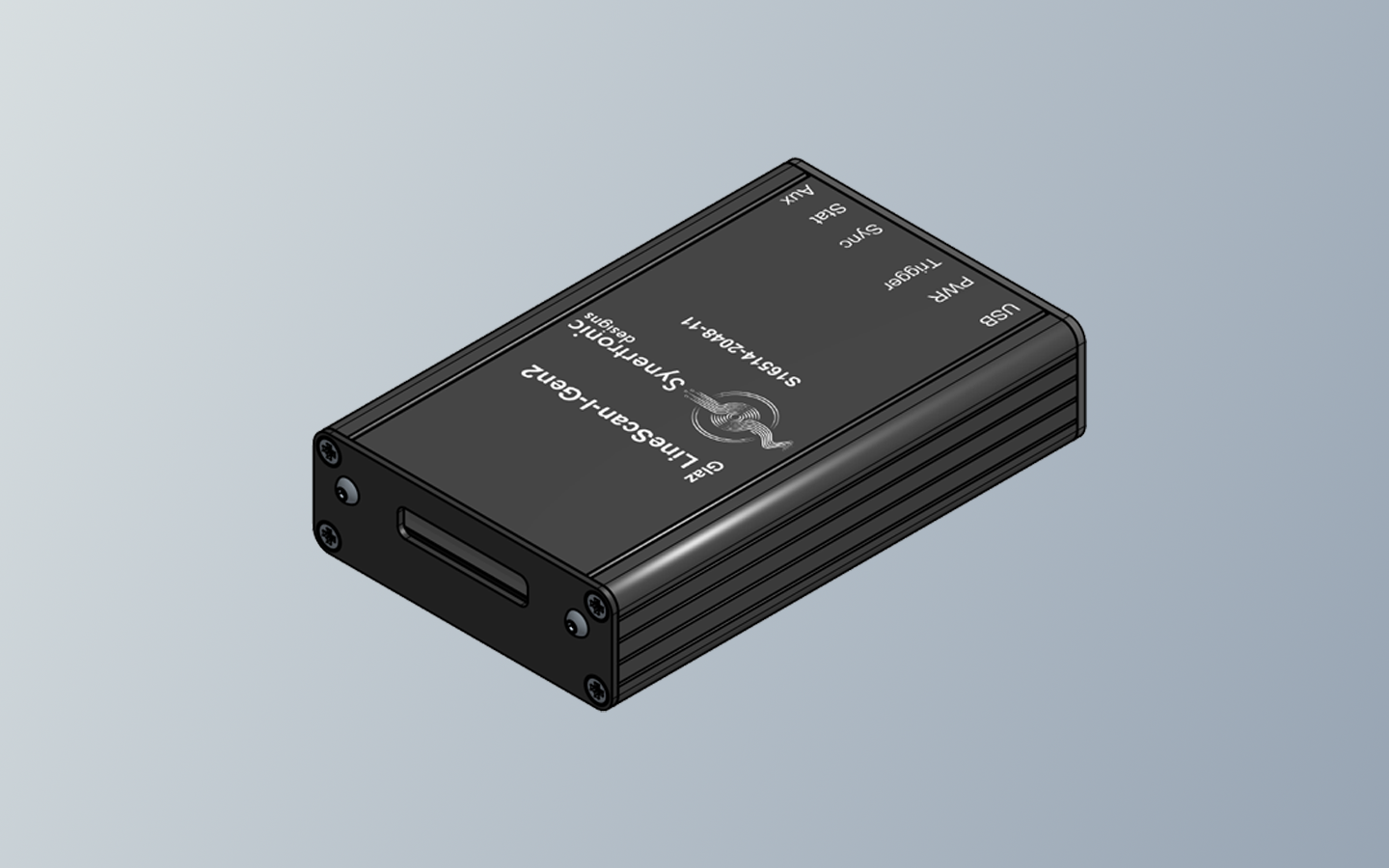
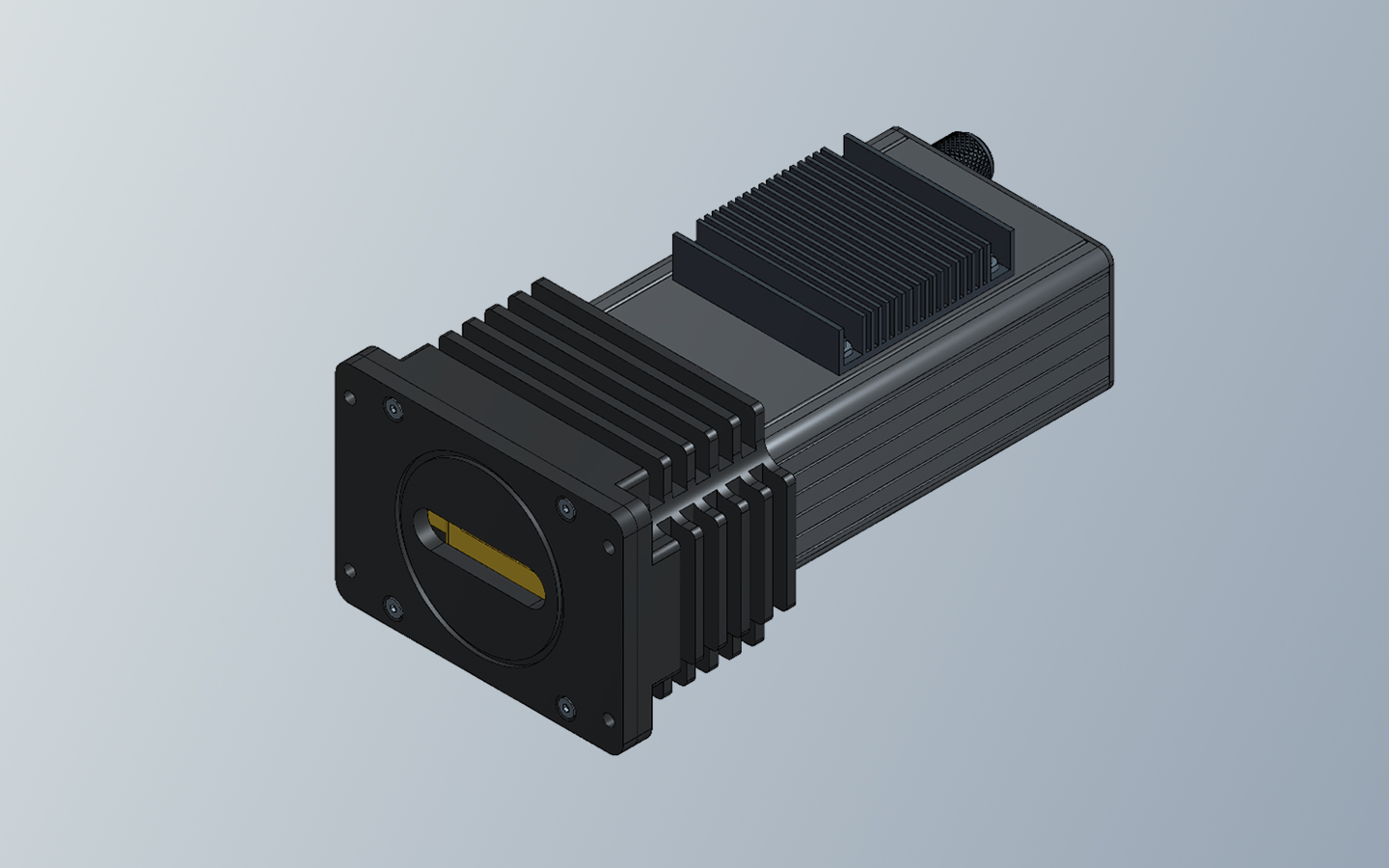
Selecting the right InGaAs sensor is crucial for achieving optimal performance in applications ranging from spectroscopy to material inspection. At Synertronic Designs, we’ve put together a comprehensive Application Note to guide engineers and researchers through the most important factors to consider when choosing an InGaAs sensor — including cooling options, spectral range, and pixel performance.

Key insights include:

TE-cooled vs. non-cooled sensors:

TE-cooled options extend into the SWIR range (up to 2550 nm) with reduced dark current, while non-cooled sensors provide a cost-effective solution for NIR measurements up to 1700 nm.

Extended spectral range:

Specialized sensors such as the Hamamatsu G11608 can even capture parts of the visible spectrum (500–1700 nm).

Performance trade-offs:

Understanding pixel count, line rate, and readout configurations (such as dual-port sensors) is key to optimizing speed and sensitivity.

Whether you’re integrating sensors into a spectrometer, designing a line-scan camera, or exploring custom optical setups, this guide breaks down the specifications that matter most.

Stay connected

Subscribe to our email updates to be the first to know about new product launches and publications (case studies, application notes, new projects).